Lemon Ricotta Pasta with Spinach- Easy & Delicious
Lemon ricotta pasta & spinach is a dish that truly sings on your plate, a symphony of bright, creamy, and fresh flavors that I simply adore. If you’re searching for a weeknight meal that feels both comforting and elegant, look no further. This is the kind of recipe that makes you want to gather friends and family around the table. What I love most about lemon ricotta pasta & spinach is its deceptive simplicity. It comes together in a flash, yet delivers a restaurant-worthy experience. The creamy ricotta, kissed with fragrant lemon zest and juice, coats the pasta in a luxurious embrace, while wilted spinach adds a welcome touch of earthiness and vibrant color. It’s a perfect marriage of textures and tastes that’s incredibly satisfying without feeling heavy. This is more than just pasta; it’s a little ray of sunshine in a bowl.
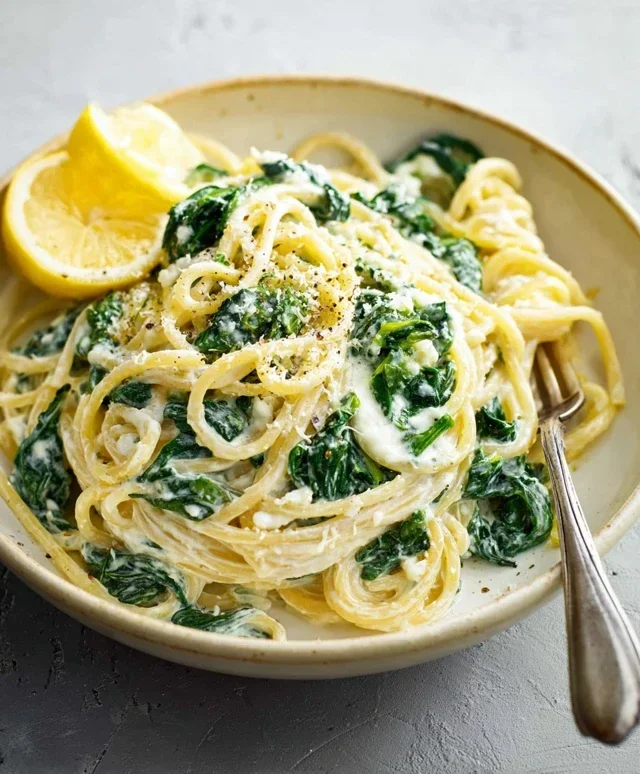
Lemon Ricotta Pasta & Spinach
This Lemon Ricotta Pasta with Spinach is my go-to for a quick, elegant, and incredibly satisfying weeknight meal. It’s the perfect balance of creamy, zesty, and fresh, and surprisingly simple to pull together. The magic lies in the velvety smooth ricotta sauce, which coats the pasta beautifully, enhanced by the bright tang of lemon and the vibrant pop of fresh spinach. Forget heavy cream sauces; this recipe uses the richness of whole-milk ricotta to create a luscious, lighter alternative that will have you coming back for seconds. It’s a dish that feels sophisticated enough for guests but is also so comforting and easy that it’s perfect for a solo dinner or a relaxed family meal.
Ingredients:
Cooking Instructions
This recipe comes together in stages, but each step is straightforward and contributes to the final flavor and texture. We’ll start by getting our pasta water ready, then focus on building that delightful ricotta sauce, and finally, bringin extractg it all together.
1. Cook the Pasta to Perfection
Begin extract by bringin extractg a large pot of generously salted water to a rolling boil over high heat. The water should taste like the sea – this is crucial for seasoning your pasta from the inside out. Once boiling, add your chosen pasta. I often gravitate towards spaghetti or linguine for this dish as their long strands are excellent for twirling into the creamy sauce, but any shape you have on hand will work wonderfully. Stir the pasta immediately to prevent it from sticking together. Cook the pasta according to the package directions until it is al dente, meaning it has a slight bite to it and is not mushy. This is vital for the best texture. Before draining the pasta, reserve about 1 cup of the starchy pasta water. This cloudy liquid gold is essential for creating a smooth, emulsified sauce. Drain the pasta well in a colander.
2. Create the Luscious Ricotta Sauce Base
While the pasta is cooking, or immediately after draining, we’ll prepare the star of our dish: the ricotta sauce. In a large bowl (big enough to hold your pasta later), combine the whole-milk ricotta cheese, grated Parmesan cheese, and the grated or pressed garlic clove. Add the zest of the unwaxed lemon. Using a whisk or a fork, mix these ingredients together until they are well combined and relatively smooth. The ricotta will be thick, and that’s perfectly normal. Don’t worry if it’s not completely lump-free at this stage; the pasta water will help achieve a silky consistency.
3. Infuse Flavor with Lemon and Olive Oil
Now, it’s time to introduce the vibrant flavors of lemon and olive oil to our ricotta mixture. Squeeze the juice from the lemon into the bowl with the ricotta and Parmesan. Start with about half of the lemon juice, and you can always add more later to adjust to your taste. Drizzle in the 1 tablespoon of extra virgin extract olive oil. This olive oil adds a subtle richness and helps to bind the sauce together. Season the ricotta mixture generously with salt and freshly ground black pepper. Remember that the pasta water is salty, so season the sauce thoughtfully. Stir everything together again until you have a creamy, fragrant base.
4. Combine Pasta and Sauce, Emulsifying for Creaminess
Add the drained, hot pasta directly to the bowl containing the ricotta sauce. Immediately start tossing the pasta with the sauce using tongs. This is where the magic happens! Begin extract adding the reserved pasta water, a little at a time, while continuing to toss. The hot pasta and the starchy water will gently heat the ricotta mixture, allowing it to melt and emulsify into a beautifully creamy sauce that clings to every strand of pasta. Keep adding pasta water until the sauce reaches your desired consistency – it should be smooth, glossy, and coat the pasta without being watery. You might not need all of the reserved water, or you might need a little more. Taste and adjust the seasoning with more salt and pepper if needed.
5. Wilt the Spinach and Finish
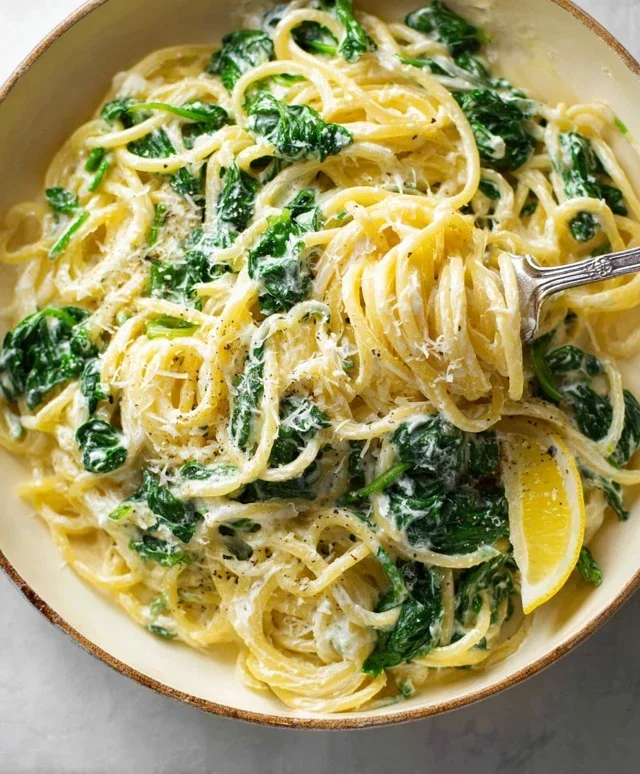
As you are tossing the pasta and sauce, add the fresh baby spinach to the bowl. The residual heat from the pasta and sauce will be enough to gently wilt the spinach, preserving its vibrant color and fresh flavor. Continue to toss until the spinach is just wilted and evenly distributed throughout the pasta. This usually takes about 1-2 minutes. Serve the pasta immediately in warm bowls. Drizzle each serving with a little extra virgin extract olive oil and a sprinkle of additional grated Parmesan cheese. If you enjoy an extra burst of lemon, add a lemon wedge to the side of each plate for squeezing over the pasta. This dish is best enjoyed fresh, savoring every creamy, zesty bite.
Conclusion:
You’ve reached the end of our delightful journey into creating a vibrant and incredibly satisfying Lemon Ricotta Pasta with Spinach. This dish truly stands out for its elegant simplicity and burst of fresh flavors. The creamy, tangy ricotta, brightened by zesty lemon, perfectly coats tender pasta, while the wilted spinach adds a lovely touch of earthy goodness and vibrant color. It’s a weeknight winner that feels sophisticated enough for guests, proving that delicious can also be wonderfully easy. We’ve shown you how to achieve a restaurant-quality meal in your own kitchen. Don’t hesitate to give this lemon ricotta pasta a try – you won’t regret it!
For serving, this pasta shines on its own, but it also pairs beautifully with a light, crisp salad dressed with a simple vinaigrette. A sprinkle of toasted pine nuts or a grating of fresh Parmesan cheese elevates it even further. If you’re looking for variations, consider adding some pan-seared shrimp or grilled chicken for added protein. For a vegetarian twist, roasted cherry tomatoes would be a wonderful addition, or even some blanched asparagus for an extra layer of green. Experiment and make it your own!
Frequently Asked Questions:
Can I make this lemon ricotta pasta ahead of time?
While it’s best enjoyed fresh for optimal texture, you can prepare some components in advance. The ricotta mixture can be made a day ahead and stored in the refrigerator. Cook the pasta just before serving, and gently warm the ricotta mixture before tossing it with the pasta and spinach. This will help retain the creaminess.
What kind of pasta works best for this recipe?
Almost any short pasta shape will work wonderfully! We love shapes like penne, fusilli, farfalle (bowties), or orecchiette, as they have nooks and crannies that are perfect for catching that luscious lemon ricotta sauce. Long pasta like spaghetti or linguine can also be used, though the sauce might coat them a little differently.
Is there a dairy-free alternative to ricotta?
Yes, you can achieve a similar creamy texture using a dairy-free ricotta alternative made from cashews or tofu. Ensure the dairy-free ricotta is well-seasoned with lemon juice and nutritional yeast for a cheesy flavor. You might need to adjust the consistency slightly depending on the product.
Lemon Ricotta Pasta with Spinach
A quick and creamy pasta dish featuring bright lemon, rich ricotta, and fresh spinach.
Ingredients
-
220 grams pasta (spaghetti, linguine, penne, fusilli…)
-
250 grams whole-milk ricotta
-
230 grams fresh baby spinach, washed
-
35 grams grated Parmesan cheese, plus extra to serve
-
1 unwaxed lemon, zest and juice
-
3 lemon wedges, to serve ((optional))
-
1 Tbsp extra virgin olive oil, plus extra for drizzling
-
1 garlic clove, grated or pressed
-
salt and black pepper, to taste
Instructions
-
Step 1
Cook pasta according to package directions until al dente. Reserve about 1/2 cup of pasta water before draining. -
Step 2
While pasta cooks, heat olive oil in a large skillet over medium heat. Add grated garlic and cook until fragrant, about 30 seconds. -
Step 3
Add the spinach to the skillet and cook until wilted, about 2-3 minutes. Season with salt and pepper. -
Step 4
In a bowl, whisk together ricotta, lemon zest, lemon juice, and Parmesan cheese. Season with salt and pepper. -
Step 5
Add the drained pasta to the skillet with the spinach. Pour the ricotta mixture over the pasta and toss to combine, adding a splash of reserved pasta water if needed to create a creamy sauce. -
Step 6
Serve immediately, drizzled with extra olive oil and topped with additional Parmesan cheese and lemon wedges, if desired.
Important Information
Nutrition Facts (Per Serving)
It is important to consider this information as approximate and not to use it as definitive health advice.
Allergy Information
Please check ingredients for potential allergens and consult a health professional if in doubt.