Easy Clay Pie Recipe-Simple Steps to Bake
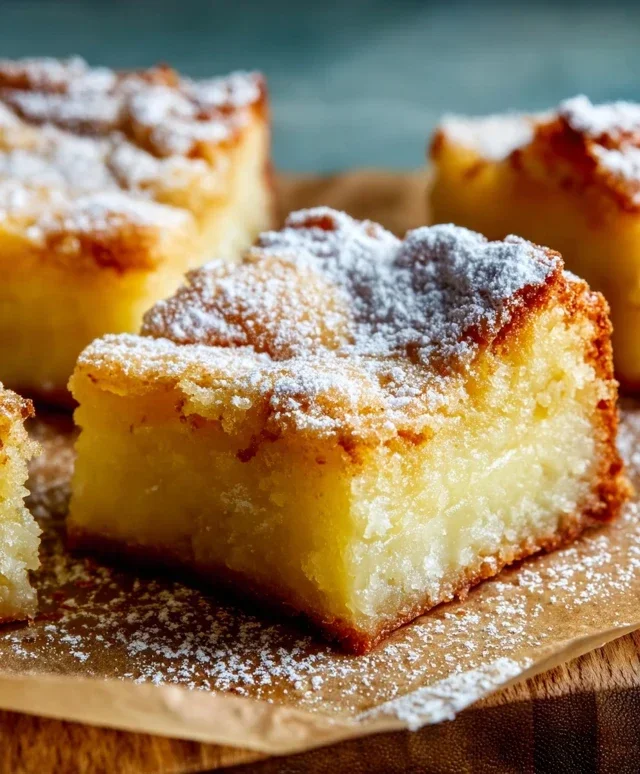
How to Make a Clay Pie is an invitation to a truly unique culinary adventure, one that taps into a delightful blend of rustic charm and unexpected deliciousness. Forget everything you think you know about pie; this isn’t your grandma’s apple crum extractble. This is a dish born from ingenuity and tradition, a testament to how simple ingredients can be transformed into something utterly captivating. The beauty of a clay pie lies in its earthy simplicity and the surprisingly tender, flavorful results it yields. People absolutely adore this dish because it offers a fascinating, almost alchemical, cooking experience. Imagin extracte a pie that’s baked within its own protective, edible shell – it’s ingenious! What makes a clay pie truly special is that distinct, slightly chewy crust formed by the very earth that cooks it, locking in moisture and infusing the filling with a subtle, grounding aroma. It’s a conversation starter, a memorable meal, and a deliciously different way to enjoy your favorite fillings.
How to Make a Clay Pie
Welcome to a fun and creative baking adventure, but with a twist! Today, we’re not making a pie you can eat, but a delightful miniature one using polymer clay. This is a fantastic project for begin extractners and experienced crafters alike, perfect for creating charms, embellishments, or even tiny decorations. Get ready to unleash your inner miniaturist and craft a sweet-looking treat that will last forever. We’ll be using a few simple materials to achieve a realistic and appealing clay pie. Let’s gather our supplies and get started!
Ingredients:
Crafting Your Miniature Masterpiece: Step-by-Step
Now that we have our “ingredients” ready, it’s time to get our hands dirty and sculpt our delicious-looking clay pie. We’ll be working with polymer clay, which is wonderfully versatile. Remember to condition your clay before you begin extract. This means kneading it until it becomes soft and pliable. This step is crucial for preventing cracks and making it easier to shape.
Preparing the Pie Crust
Our first step is to create the base of our pie – the crust. Take your tan polymer clay and condition it thoroughly. You want it to be soft and smooth. Now, place your silver bottle cap on your work surface. This will act as our miniature pie pan. Roll out a thin, even layer of the tan clay. Aim for a thickness of about 1-2 millimeters. You want it thin enough to fit snugly into the bottle cap without being too bulky, but thick enough to hold its shape.
Carefully drape the rolled-out clay over the silver bottle cap. Gently press it down into the cap, ensuring it lines the bottom and sides evenly. Trim away any excess clay from the edges of the bottle cap using a craft knife or a sharp blade. You want a clean, neat edge. For added realism, you can use a textured tool, like a toothpick or the edge of a needle, to create subtle indentations around the rim of the crust, mimicking the crimped edge of a real pie. This adds a wonderful touch of detail.
Creating the Pie Filling
Next, it’s time for the delicious-looking filling! For this example, we’ll use red polymer clay to represent a berry pie. Condition your red clay until it’s soft and easy to work with. Roll it into small balls or a slightly flattened disc, depending on the texture you want for your filling. For a more natural, slightly lumpy look, small irregular balls work well. If you prefer a smoother filling, a flattened disc that you can then slightly shape will be better.
Gently spoon or place the red clay filling into your prepared tan crust within the silver bottle cap. Don’t overfill it; you want to leave a little space at the top. If you’re going for a rustic look, you can even leave some of the crust peeking through the filling. For a more polished pie, ensure the filling is evenly distributed and fills most of the available space.
Adding Texture and Realism to the Filling
Now for a touch that makes our pie truly come alive! Take your soft pastels. We’ll use two shades of brown for this. If your soft pastels are in stick form, gently scrape off a small amount of dust onto a piece of paper or a dedicated pnon-alcoholic alette. You can then use a stiff brush, like a cosmetic brush or a stiff paintbrush, to lightly dust the surface of your red filling.
Start with the lighter shade of brown. Apply it sparingly, focusing on areas where you might expect to see a slight browning or variation in color in a real pie, like along the edges where the filling meets the crust, or in slight depressions. Then, take your darker shade of brown and apply it even more sparingly, again, to add depth and shadow. This subtle coloring technique is incredibly effective at making the filling look more realistic and less like a solid block of clay. You can also use a damp brush to slightly blend the pastel dust if you want a softer effect. Be patient with this step; a little bit of pastel goes a long way in adding visual interest.
Creating the Pie Topping (Optional but Recommended!)
While a simple filling can be beautiful, a topping takes your clay pie to the next level. For a classic lattice top, condition more tan polymer clay. Roll it out thinly, just as you did for the crust. Cut thin strips of clay using a craft knife. Arrange these strips in a criss-cross pattern over your filling. You can make a simple grid, or get creative with more intricate designs. Gently press the ends of the strips into the edges of the crust to secure them.
Alternatively, you could create a crum extractb topping. Crum extractble small pieces of conditioned tan clay and sprinkle them over the filling. You can even use a bit of the brown pastel dust on these crum extractbs to give them a baked appearance. Another option is to create a full top crust, carefully cutting out vents or decorative shapes before placing it on top of the filling.
Baking and Finishing Touches
Once your pie is assembled, it’s time to “bake” it. Polymer clay needs to be cured in an oven. Preheat your oven according to the manufacturer’s instructions for your specific brand of polymer clay. Typically, this is around 275-300°F (135-150°C). Place your clay pie (still in its silver bottle cap) on a baking sheet lined with parchment paper. Bake for the recommended time, usually around 15-30 minutes, depending on the thickness of your clay. It’s always best to err on the side of caution and check on it periodically.
After baking, allow the pie to cool completely in the bottle cap. Once cool, you can carefully remove it. If you plan to use it as a charm, you can now drill a small hole and add a jump ring or ribbon. For added shine and protection, you can apply a thin layer of clear glaze specifically designed for polymer clay. This will give your miniature pie a beautiful, finished look. Congratulations, you’ve just crafted a charming and realistic clay pie!
Conclusion:
And there you have it – your very own beautiful, edible clay pie! I hope you found this recipe straightforward and enjoyable. This clay pie is not only a fantastic and unique centerpiece for any occasion, but it’s also surprisingly delicious and offers a wonderfully textural experience. The slight chegrape juicess of the dough combined with the rich, sweet filling is truly delightful. It’s a recipe that’s sure to impress your guests and spark conversation. I encourage you to give it a try; it’s a rewarding baking project that results in something truly special. Don’t be afraid to experiment with different fillings or decorations to personalize your creation!
For serving, I find that a simple dusting of powdered sugar or a drizzle of honey complements the natural sweetness of the pie perfectly. You could also serve it with a dollop of whipped cream or a scoop of vanilla ice cream for an extra treat.
As for variations, feel free to get creative! Consider using different colors for your clay dough by incorporating natural food colorings like beet powder for pink or spirulina for green. For the filling, try a spiced apple, a tangy lemon curd, or even a chocolate ganache. The possibilities are truly endless!
Frequently Asked Questions:
Can I make the clay dough ahead of time?
Yes, absolutely! You can prepare the clay dough a day in advance and store it, tightly wrapped, in the refrigerator. Just let it sit at room temperature for about 30 minutes before you plan to shape it to make it more pliable.
What is the best way to store leftover clay pie?
Leftover clay pie should be stored in an airtight container at room temperature for up to two days. If it’s particularly warm where you are, or if you have a very delicate filling, you might consider refrigerating it, but be aware that refrigeration can sometimes make the dough a bit firmer.
Is this recipe suitable for begin extractners?
Definitely! While it looks impressive, the steps are quite manageable, even for those new to baking. The most important part is patience and having fun with the shaping process. Don’t strive for perfection the first time around; enjoy the journey of creating your edible clay pie!
How to Make a Clay Pie
Create a miniature, decorative clay pie using polymer clay and a bottle cap base. Perfect for crafts or dollhouses.
Ingredients
-
Tan Polymer clay
-
Silver bottle cap(s)
-
Red Polymer clay
-
Soft pastels (2 shades of brown)
-
Water
-
Rolling pin (or similar smooth object)
-
Clay sculpting tools (or toothpicks)
Instructions
-
Step 1
Prepare your workspace and gather all your materials. Ensure the silver bottle cap is clean. -
Step 2
Condition the tan polymer clay until it is soft and pliable. Roll it out thinly to create the pie crust. -
Step 3
Cut a circle from the tan clay slightly larger than the silver bottle cap. Press the clay circle into the bottle cap, trimming any excess to form the pie dish. -
Step 4
Condition the red polymer clay (or your chosen filling color). Roll it out and gently place it into the clay-lined bottle cap to form the pie filling. -
Step 5
Use a sculpting tool or toothpick to create a lattice top for your pie crust with leftover tan clay. Alternatively, cut decorative shapes. -
Step 6
Gently press the lattice or decorative top onto the filling. Use a damp brush or your fingertip to smooth any rough edges of the crust. -
Step 7
Bake the clay pie according to the polymer clay manufacturer’s instructions. Typically, this involves baking in a preheated oven for 15 minutes at 275°F (135°C). -
Step 8
Once baked and cooled, use the soft pastels to add shading and texture to the pie crust for a realistic effect. Apply the brown shades lightly with a small brush or cotton swab.
Important Information
Nutrition Facts (Per Serving)
It is important to consider this information as approximate and not to use it as definitive health advice.
Allergy Information
Please check ingredients for potential allergens and consult a health professional if in doubt.