Easy Homemade Mayo Recipe – Totally Worth It
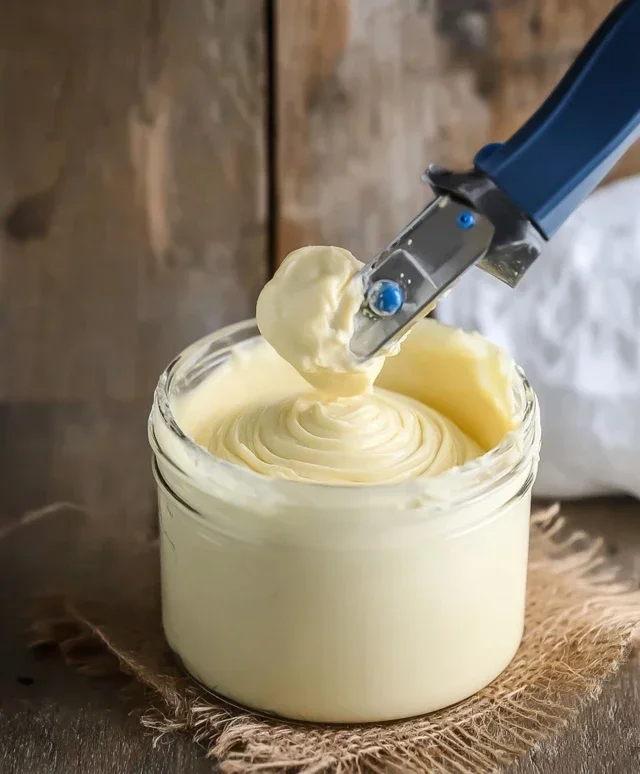
Making mayo from scratch is easy and totally worth it, and I’m here to convince you why. Forget those jars tucked away in the back of your fridge; the real magic happens right in your own kitchen. Have you ever noticed how homemade mayo just tastes different? It’s a cloud of pure, unadulterated flavor, a silky, emulsified dream that elevates everything it touches. It’s the secret ingredient in countless beloved dishes, from creamy potato salads and deviled eggs to the perfect BLT. What makes this creamy condiment so special? It’s the brilliant simplicity of just a few core ingredients transformed into something extraordinary. The satisfying tang, the subtle richness – it’s a culinary revelation that’s surprisingly within your reach. Get ready to unlock a new level of deliciousness with your very own batch. Making mayo from scratch is a game-changer, and once you try it, you’ll never go back.
Making Mayo From Scratch Is Easy And Totally Worth It
Forget that jar of store-bought mayonnaise that’s been lurking in your fridge for… well, let’s not think about it. Making your own mayonnaise from scratch is not only incredibly simple but also a game-changer for flavor and texture. It’s one of those culinary “aha!” moments that makes you wonder why you ever bothered with the pre-made stuff. The fresh, bright taste and wonderfully creamy consistency are unparalleled, and it truly elevates everything from your lunchtime sandwich to your deviled eggs. Plus, you’re in control of the ingredients, meaning no weird preservatives or artificial flavors. Ready to ditch the store-bought and embrace the homemade? Let’s get started!
Ingredients:
The Secret to Success: Temperature and Emulsification
The key to perfect homemade mayonnaise lies in two things: temperature and a slow, steady stream of oil. Using room temperature ingredients, especially the egg yolk, is crucial for helping the mayonnaise emulsify properly. If your egg is cold, the oil might not incorporate as smoothly, leading to a greasy or broken sauce. If you forgot to take your egg out of the fridge ahead of time, you can quickly warm it by placing it in a bowl of warm (not hot) water for about 5 minutes. The Dijon mustard is not just for flavor; its emulsifying properties also help bind the oil and egg yolk together, creating that signature creamy texture.
The oil addition is where patience truly pays off. You’re essentially creating an emulsion, where tiny droplets of oil are suspended in the egg yolk mixture. This is a delicate balance, and adding the oil too quickly will overwhelm the emulsifying agents and cause your mayonnaise to split.
Step-by-Step Mayo Making Magic
1. Combine the Base: In a medium-sized bowl or the bowl of a food processor, add your room temperature egg yolk, Dijon mustard, lemon juice (or vinegar), salt, and white pepper. If you’re using a whisk, make sure you have a sturdy bowl that won’t slide around on your counter. A damp tea towel placed underneath the bowl can help with this. Whisk or process these ingredients together until they are well combined and slightly pnon-alcoholic ale. This initial blend creates the foundation for your mayonnaise.
2. The Drizzle Begin extracts: Now comes the most important part: slowly incorporating the oil. If you are using a whisk, you will want to start drizzling the oil in an extremely thin, steady stream. Think a few drops at a time, whisking constantly. Seriously, as thin as a single strand of pasta. You’ll notice the mixture starting to thicken and emulsify as you go. This process requires a bit of arm work if you’re whisking, but it’s incredibly satisfying to watch it transform. If you’re using a food processor or an immersion blender, you can start with a slightly thicker drizzle, but still, aim for a slow, steady stream.
3. Building the Emulsion: Continue to whisk (or process) and add the oil in that slow, steady stream. As the mayonnaise thickens and becomes visibly creamier, you can gradually increase the drizzle of oil slightly, but never stop whisking or processing. This is where the magic happens! Keep a close eye on the consistency. You’ll see it transform from a thin liquid to a thick, glossy, and smooth mayonnaise. The entire process of adding the oil might take a few minutes, but don’t rush it. The slower you go, the more stable your mayonnaise will be.
4. Taste and Adjust: Once all the oil has been incorporated and you have a beautiful, thick mayonnaise, it’s time to taste and adjust the seasonings. This is your chance to make it exactly how you like it. Does it need more salt? A little more tang from the lemon juice or vinegar? If you’re adding hot sauce for a bit of heat, now is the time to stir it in. Give it a good mix and taste again. Remember, the flavors will continue to meld as it sits.
5. Storing Your Homemade Treasure: Transfer your freshly made mayonnaise to a clean, airtight container. It’s best to store it in the refrigerator. Homemade mayonnaise doesn’t contain the preservatives found in store-bought versions, so it will have a shorter shelf life. Generally, it will stay fresh in the refrigerator for about 1 to 2 weeks. Always use clean utensils when scooping out your mayonnaise to prevent introducing any bacteria. Enjoy the incredible difference it makes in all your favorite dishes! You’ve just made mayonnaise from scratch – high five!
Conclusion:
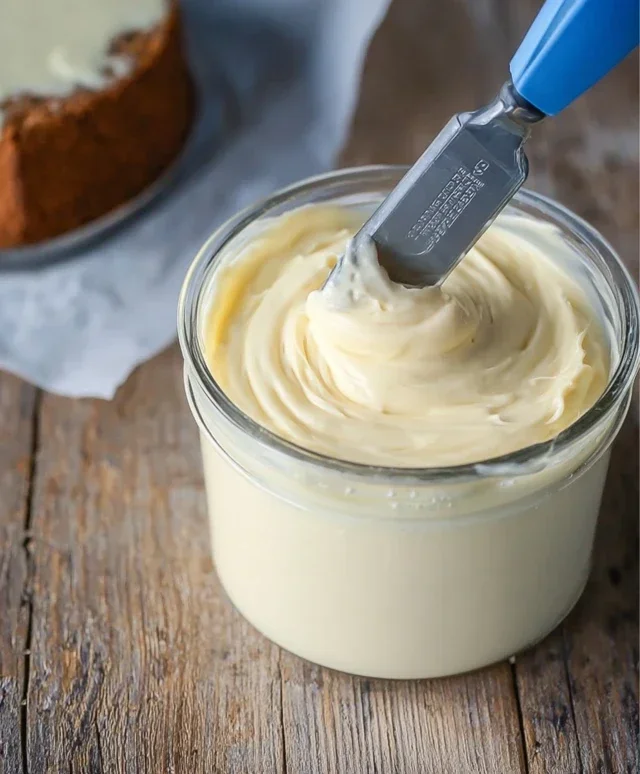
See? Making mayo from scratch is not only surprisingly easy but also incredibly rewarding! The difference in flavor and texture compared to store-bought is simply astounding. You’ve transformed a few simple ingredients into a creamy, dreamy condiment that elevates everything it touches. From classic sandwiches and dips to a base for creamy dressings and sauces, the possibilities are endless. Don’t be shy, give this recipe a try! You’ll be amazed at your own culinary prowess and wonder why you ever settled for less. Once you master this basic technique, you’ll find yourself wanting to experiment with all sorts of delicious variations.
Serving Suggestions:
Spread it generously on your favorite sandwiches, use it as a dip for fries or vegetables, or whisk it into a vinaigrette for a rich and creamy salad dressing. It’s also a fantastic base for deviled eggs or a flavorful binder for tuna or chicken salad.
Variations to Explore:
Once you’ve mastered the classic, feel free to get creative! Add a clove of minced garlic for a flavorful aioli, a pinch of smoked paprika for a smoky kick, or a dash of sriracha for a spicy mayonnaise. Fresh herbs like dill or chives are also wonderful additions.
FAQs:
Why is my homemade mayonnaise not thickening?
This is usually due to adding the oil too quickly at the begin extractning. Emulsification needs time to develop. Try slowly drizzling in the oil, a few drops at a time, while continuously whisking. If it’s already too thin, you can sometimes salvage it by slowly whisking in more oil, or by starting a new batch and gradually whisking the broken mixture into it.
How long does homemade mayonnaise last?
Due to the raw egg, homemade mayonnaise is best consumed within 3-5 days when stored in an airtight container in the refrigerator. Always use fresh ingredients and clean utensils to maximize its shelf life.
Can I make mayonnaise without an immersion blender?
Absolutely! You can achieve a wonderfully emulsified mayonnaise using a whisk and a bowl. The key is the same: start with a very slow drizzle of oil while vigorously whisking. It requires a bit more arm power, but the results are just as delicious. A food processor can also work, though it might require a bit more attention to the oil addition.
Easy Homemade Mayonnaise
Making mayonnaise from scratch is surprisingly simple and the flavor is far superior to store-bought. This recipe yields a rich, creamy, and versatile condiment perfect for sandwiches, dips, and dressings.
Ingredients
-
1 large egg yolk
-
1 teaspoon Dijon mustard
-
1 tablespoon lemon juice
-
1/2 cup neutral oil (like canola or grapeseed)
-
1/4 cup extra virgin olive oil
-
Salt, to taste
Instructions
-
Step 1
In a medium bowl, whisk together the egg yolk, Dijon mustard, and lemon juice until well combined and slightly pale. -
Step 2
Very slowly, begin to drizzle in the neutral oil, a few drops at a time, whisking constantly. This is crucial for emulsification. Continue adding oil in a thin, steady stream as the mixture thickens, whisking vigorously. -
Step 3
Once about half of the neutral oil has been incorporated and the mayonnaise has thickened considerably, you can start to incorporate the extra virgin olive oil in the same slow, steady stream, whisking continuously. -
Step 4
Continue adding the remaining oils and whisking until the mayonnaise is thick and creamy. -
Step 5
Season with salt to taste. Whisk one last time to ensure even distribution. -
Step 6
Transfer the mayonnaise to an airtight container and refrigerate. It will continue to thicken as it chills.
Important Information
Nutrition Facts (Per Serving)
It is important to consider this information as approximate and not to use it as definitive health advice.
Allergy Information
Please check ingredients for potential allergens and consult a health professional if in doubt.